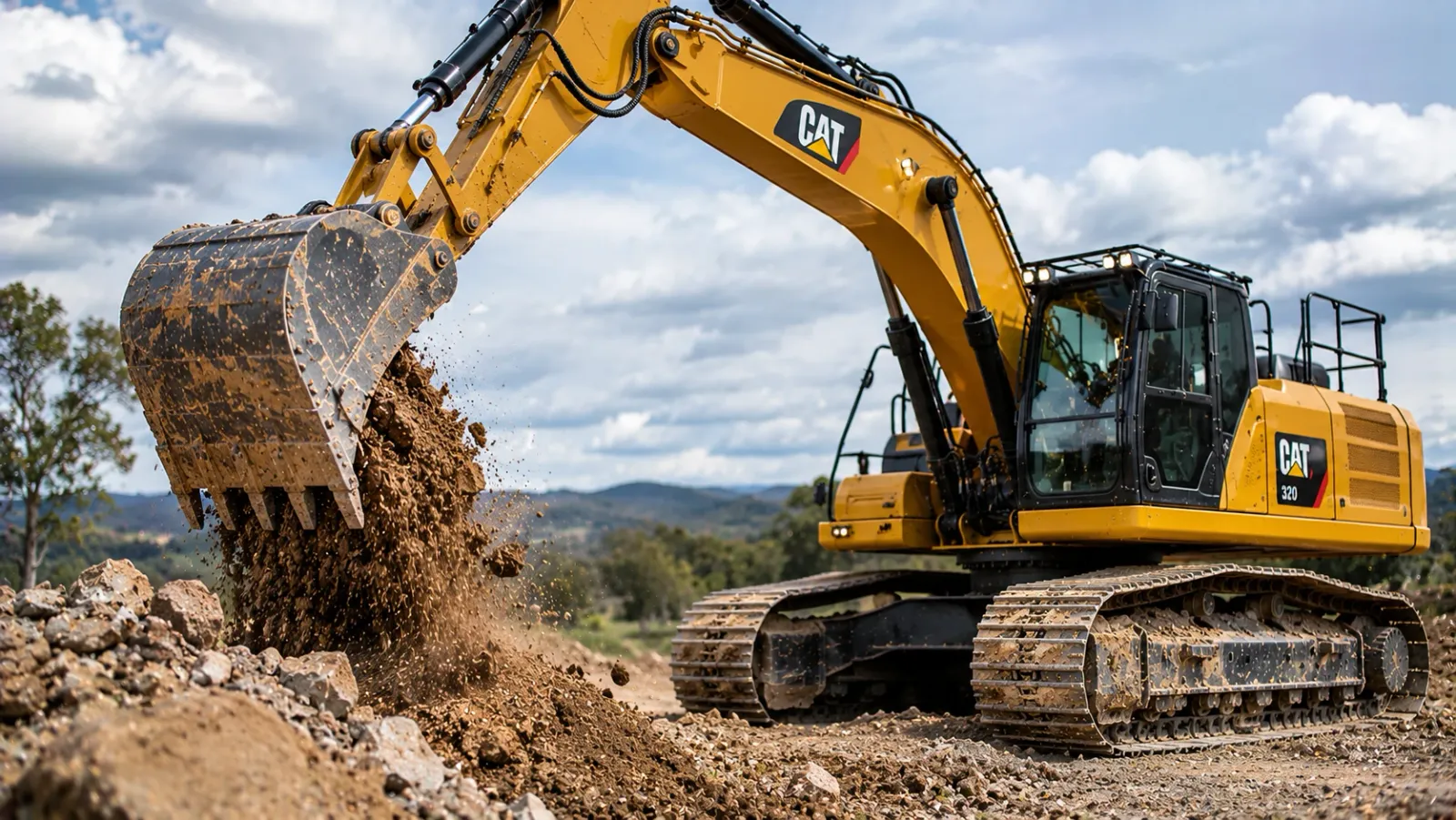
Sizes guide
Excavator sizes: which class suits the job?
General descriptions of the four common size classes. Weight ranges are approximate and vary by make and model.
| Class | Approx. weight | Typical uses | Transport |
|---|---|---|---|
| Mini and compact | Under about 6 t | Trenching, landscaping, small demolition, residential work | Often a trailer or tilt tray, subject to weight limits |
| 5 to 8 tonne | About 5 to 8 t | Small civil, driveways, drainage, farm work | Heavier trailer or small float |
| 20 to 30 tonne | About 20 to 30 t | Bulk earthworks, pipelines, site preparation | Low-loader float, often with permits |
| Large and heavy | Above about 30 t | Quarries, mining support, major infrastructure | Specialist transport, often partly dismantled |
Figures are general guides only. Always check the manufacturer's specifications and your state or territory's transport rules.
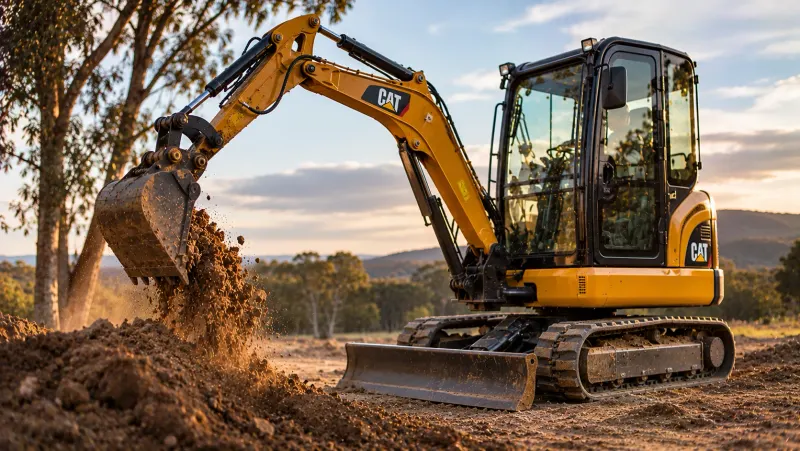
Mini and compact excavators
Mini excavators are a tradie favourite. Their small footprint gets them through side gates and around established gardens, and many have a dozer blade for backfilling and levelling. They are popular with landscapers, plumbers, electricians running services and owner-builders.
- Trenching for pipes and cables
- Landscaping, pools and retaining wall prep
- Stump removal and small demolition
- Backfilling with the dozer blade
Consider tail-swing type, auxiliary hydraulics and whether your vehicle and licence can transport it.
5 to 8 tonne excavators
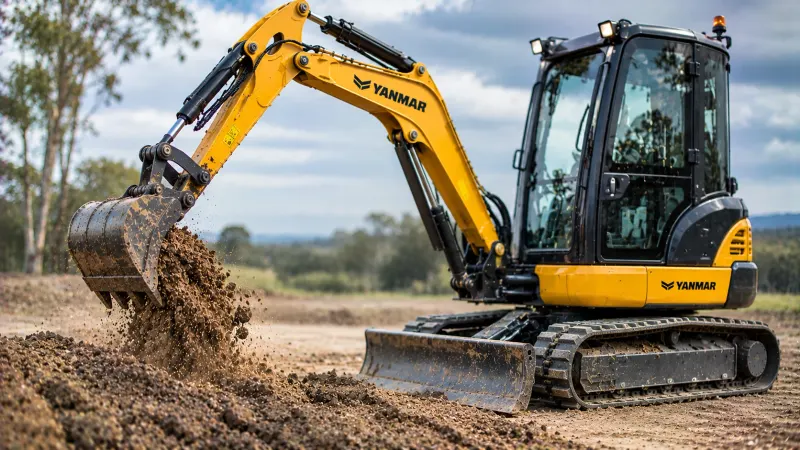
This middle class balances reach and power with manageable transport. It suits small civil contractors, rural properties and residential developers who need more digging depth than a mini machine offers.
- Driveways and house pads
- Drainage and stormwater trenching
- Farm dams and general rural work
- Handling attachments such as augers and hammers
Check attachment compatibility and hydraulic flow before buying a new tool.
20 to 30 tonne excavators
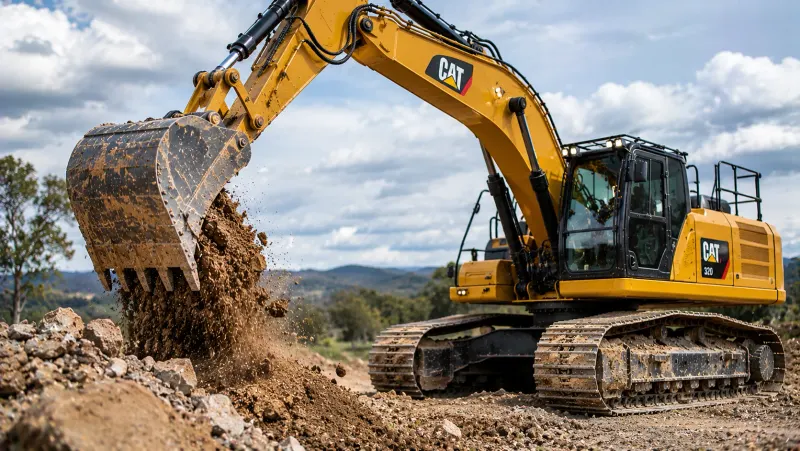
The 20 to 30 tonne bracket is the workhorse of earthmoving. These machines load trucks quickly, dig deep and suit sustained production work. They need floats, planning and larger sites.
- Bulk earthworks and subdivisions
- Pipelines and major drainage
- Loading trucks and stockpiling
- Heavy attachments such as large hammers and grapples
Operating costs, undercarriage wear and transport logistics matter more at this size.
Large and heavy excavators
Large excavators serve quarries, mining support and infrastructure projects. They are bought and sold in a smaller, more specialised market, and buyers usually expect detailed records and independent inspection.
- Quarry and mine support work
- Major infrastructure and dam projects
- High-volume truck loading
- Specialist attachments and heavy-duty buckets
Moving these machines often involves permits, escorts and partial dismantling. Seek specialist advice.
Selling or buying in any size class?
List your excavator free or browse what is on the marketplace.